
Top-Rated Products For Drainage Optimization To Prevent Water Accumulation
Identify essential products that enhance drainage efficiency and reduce the risk of water pooling around your property.
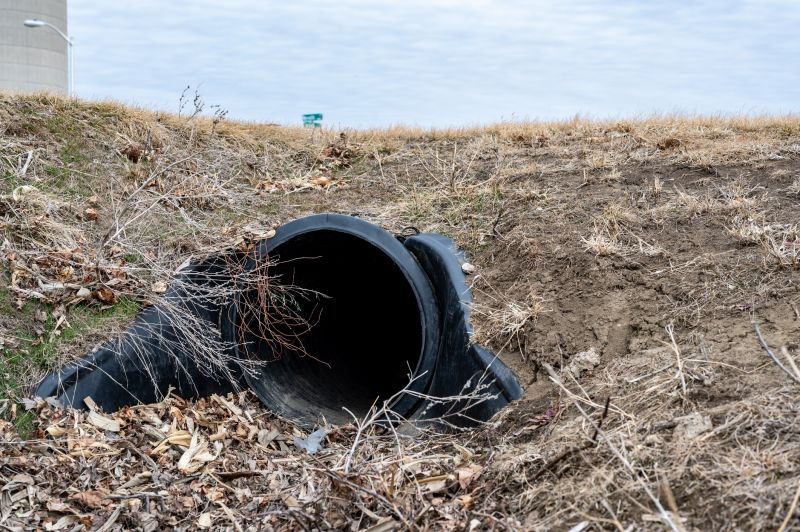 Effective drainage is essential for maintaining the integrity and functionality of various properties, whether residential, commercial, or industrial. Proper drainage products help prevent water accumulation that can lead to structural damage, soil erosion, or landscaping issues. The market offers a wide array of solutions designed to suit different needs, from small-scale residential applications to large-scale infrastructure projects. Understanding the diverse options available can assist in selecting the most suitable products for specific drainage challenges.
Types of Products For Drainage Optimizings
Perforated Drainage Pipes
Pipes with small holes that allow water to enter and exit, ideal for subsurface drainage solutions.
Catch Basins
Grated units designed to collect surface runoff and debris, directing water into drainage systems.
Drainage Gravel and Rock
Aggregates used to facilitate water flow around pipes and prevent clogging.
French Drains
Gravel-filled trenches with perforated pipes to redirect groundwater away from foundations.
Surface Water Diverters
Devices designed to redirect surface water away from structures or landscaping areas.
Drainage Mats and Panels
Specialized mats that promote water flow and prevent soil erosion on slopes and retaining walls.
Sump Pumps
Pumps used to remove accumulated water from basements or low-lying areas.
Downspout Extensions
Extensions that direct roof runoff away from foundations and walkways.
Drainage Channels
Linear systems that channel surface water efficiently across large areas.
Waterproof Membranes
Barrier materials used to prevent water infiltration in foundations and basements.
Soil Stabilization Fabrics
Geotextiles that reinforce soil, preventing erosion and improving drainage.
Outlet Filters
Filters that prevent debris from entering drainage outlets, reducing clogging.
Water Flow Regulators
Devices that control the rate of water flow within drainage systems.
Pipe Connectors and Fittings
Components that join and direct drainage pipes efficiently and securely.
Erosion Control Blankets
Protective coverings that stabilize soil and promote vegetation growth on slopes.
Drainage Inspection Ports
Access points for inspecting and maintaining underground drainage systems.
Popular Choices
Widely used for subsurface drainage, these pipes help manage excess water in various settings.
Commonly installed in driveways and yards to trap debris and surface water.
Popular for redirecting groundwater away from foundations and low-lying areas.
Frequently used in basements to pump out accumulated water and prevent flooding.
Effective for directing roof runoff away from structures and walkways.
Commonly used around pipes and in trenches to facilitate water flow and prevent clogging.
Ideal for managing surface water across large paved or landscaped areas.
Frequently installed in basements and foundations to prevent water infiltration.
Popular for slope stabilization and preventing soil erosion on disturbed sites.
Used to reinforce soil and improve drainage in construction and landscaping projects.
Commonly used to keep debris out of drainage outlets and prevent clogging.
Help control water flow rates within drainage systems for optimal performance.
Drainage systems often incorporate components such as pipes, catch basins, and gravel beds to facilitate the smooth flow of water away from problem areas. These components are typically engineered to handle varying volumes of water, resist clogging, and endure environmental conditions. For example, perforated pipes allow water to seep into the drainage system efficiently, while catch basins collect surface runoff and debris before directing water elsewhere.
When choosing drainage products, it is important to consider factors such as soil type, expected water volume, and the layout of the property. Proper installation techniques also play a crucial role in ensuring long-term effectiveness. Many products are designed for easy installation, making them accessible for DIY projects, while others may require professional expertise. By selecting the right combination of products, property owners can significantly improve water management and reduce potential damage caused by excess moisture or poor drainage.
Key Buying Considerations
- Assess the volume of water that needs to be managed to select appropriately sized products.
- Consider the soil type and drainage capacity required for your property or project.
- Evaluate the installation process and whether professional help is needed.
- Choose materials that are durable and resistant to environmental conditions relevant to your location.
- Determine if the system needs to handle surface runoff, subsurface water, or both.
- Check compatibility of fittings and accessories for seamless system integration.
- Consider ease of maintenance and access points for inspection and cleaning.
- Review local regulations or codes related to drainage installations.
- Identify the area’s slope and landscape features to optimize drainage flow.
- Think about future expansion or modifications when selecting components.
- Evaluate cost-effectiveness in terms of longevity and performance rather than just initial price.
- Look for products with reliable warranties or guarantees where available.
- Ensure that selected products are suitable for the specific environmental conditions like freeze-thaw cycles.
- Consider aesthetic integration if drainage solutions are visible or part of landscape design.
- Assess the ease of disposal or recycling of used or damaged components.